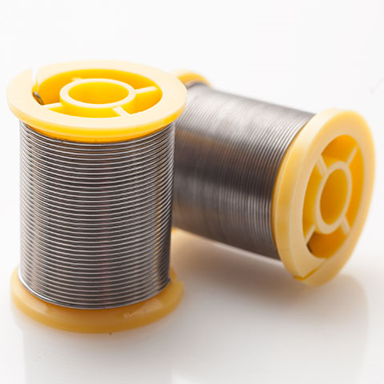
Lead Wire is used in a wealth of applications including interconnection circuits, internal wiring of computer and data processing equipment, lighting, motor leads, heating and cooling equipment, harness fabrication and automotive.
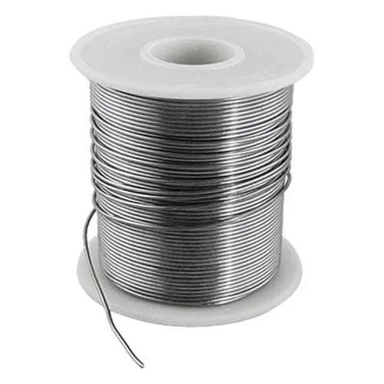
Lead wires can be constructed from numerous strands of lead twisted together, although they are commonly made from a single strand of lead. The lead wire’s thickness is determined by the quantity of current or voltage it will carry. To prevent electrical shock, lead wires are often covered in a plastic sheath that acts as insulation. Lead wires are a hazardous metal and a good conductor of electricity.
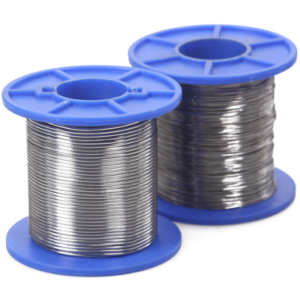
Lead wires may have specific temperature ratings that indicate the range of temperatures they can withstand without degradation or melting of the insulation. This is especially important in applications where the wire might be exposed to high temperatures.
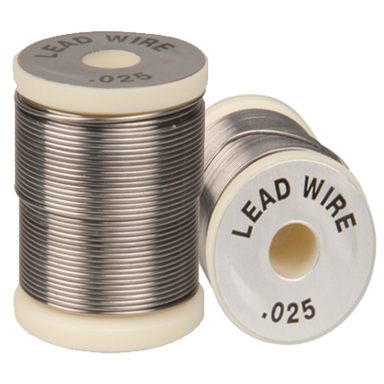
Lead wires are used in a wide range of applications, including connecting components on circuit boards, internal wiring of appliances and machinery, automotive wiring, medical devices, aerospace equipment, and more. Lead wires can be customized in terms of conductor size, insulation type, length, and color to suit the specific requirements of different applications.